
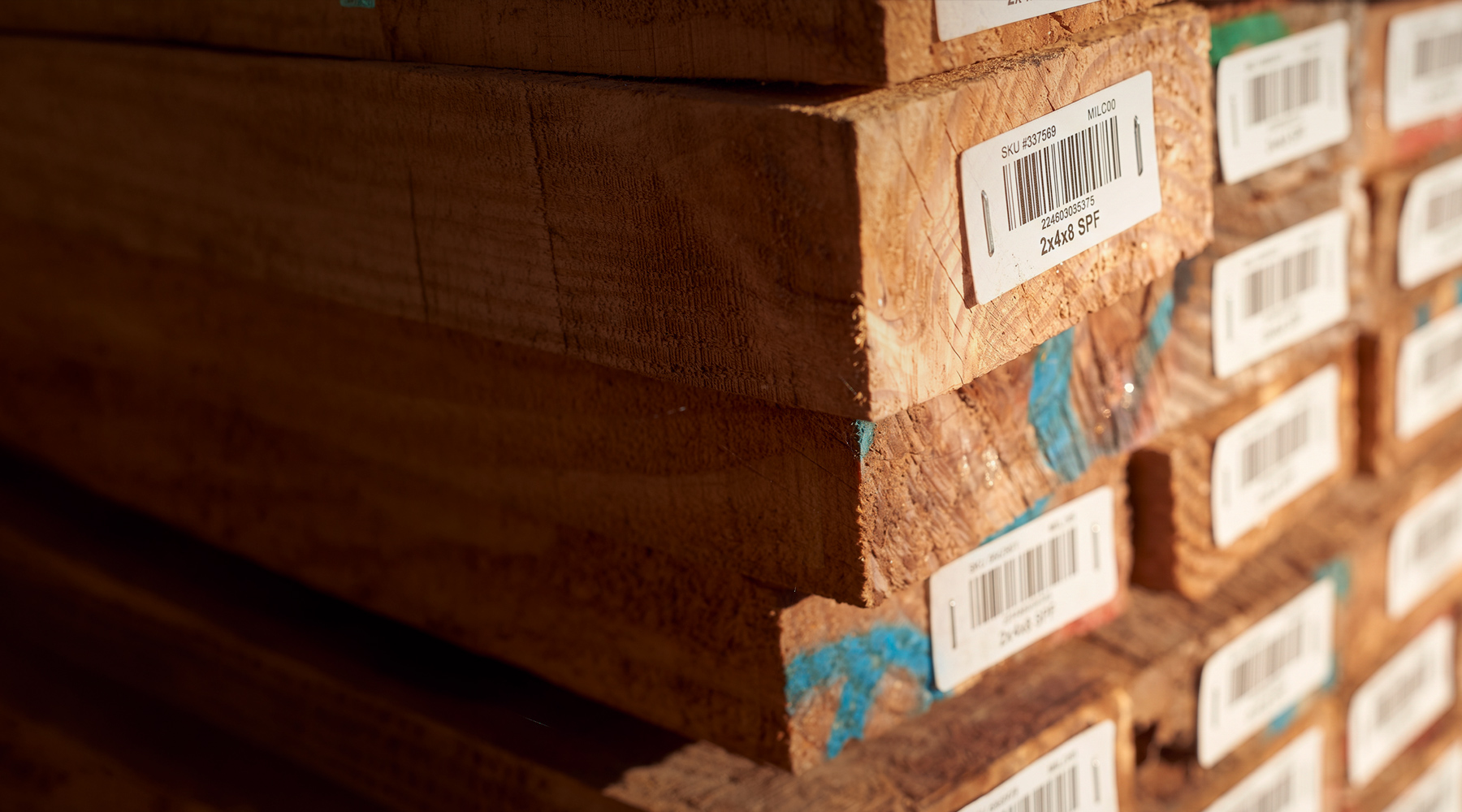
Building materials manufacturers and suppliers operate within an increasingly complex environment where traceability failures can quickly lead to costly fines, delays or recalls. Simply marking critical product information on lumber with permanent marker no longer suffices.
Armis stands as the undisputed leader in solving building material challenges, setting the standard for compliance and end-to-end traceability. Through the legacy expertise of Trebnick, now Armis, we pioneered the use of high-density polyethylene (HDPE) tagging solutions more than 40 years ago, helping establish a new standard for durability, traceability and long-term performance in the building materials industry.
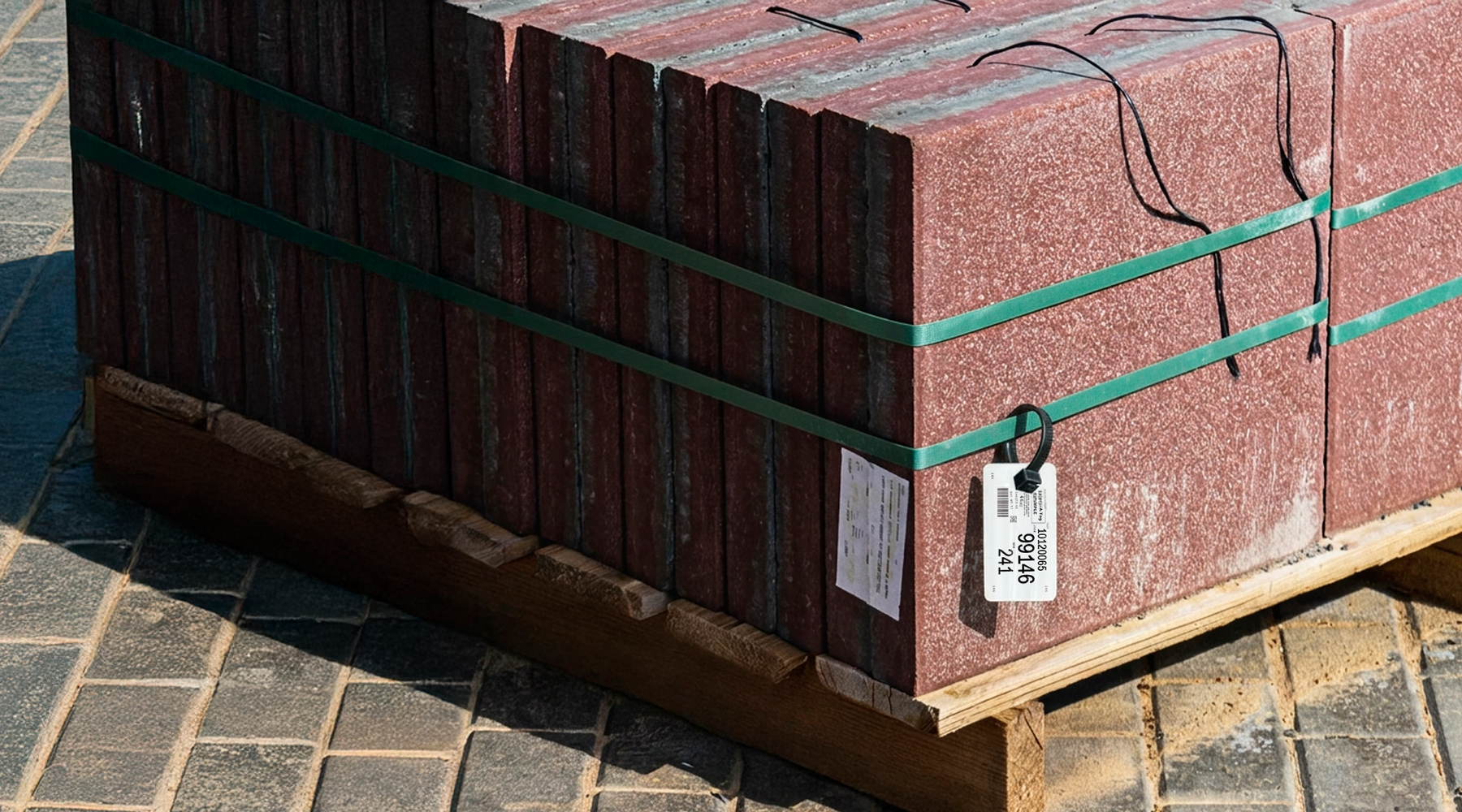
Our durable tagging solutions are custom-engineered to withstand the full lifecycle of building materials – from handling and transport to installation and inspection – ensuring critical data remains intact and accessible at every stage.
By delivering unmatched reliability and performance, Armis enables building products manufacturers to maintain continuous compliance, reduce risk and operate with complete confidence in even the most demanding regulatory environments.
How and Where Common Tags Fail
Tag failure and mislabeling commonly occur during the storage and transportation of building materials as products are moved between indoor and outdoor environments with varying external conditions.
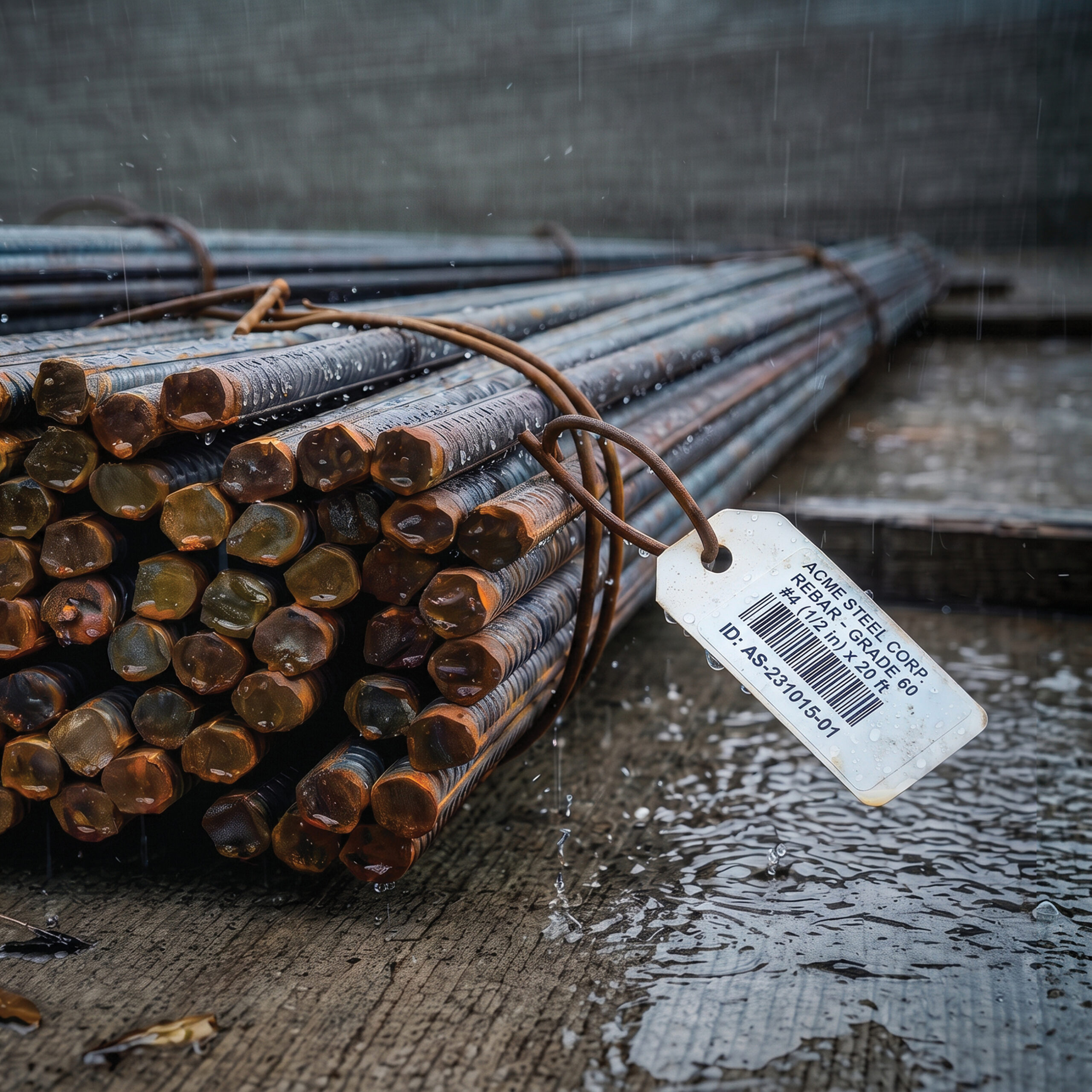
Your average tags are simply not designed to withstand the harsh environments where building materials are manufactured and stored. Products like concrete, lumber and truss, and steel and rebar are often exposed to dust, UV, moisture and abrasion. Products need to hold up to extreme temperatures – both hot and cold. If not properly engineered to meet these demands, tags can fade, crack, detach or become unreadable.
Armis durable tags are engineered to perform in the most critical and extreme environments, with materials tested to withstand temperatures between -50 degrees and 1,500 degrees Fahrenheit depending on the material used. To maximize long-term durability and data integrity, each tag is paired with the appropriate wax resin ribbon and printer technology, ensuring critical information remains legible and reliable throughout the product lifecycle.
Regulations To Keep in Mind
Labels also fail when they are no longer able to communicate critical safety information. If your ink has faded or a tag is scratched, you risk incurring fines and experiencing preventable accidents.
Manufacturers operate within a layered system that depends on the kinds of materials a company makes and where it is located.
| Regulation | Application | Impact |
|---|---|---|
| ASTM International | Ready-Mix Concrete, Wood, Blended Cement, Structural Lumber | Drives material testing and classification |
| International Building Code | All Products | Specifications for where and how materials can be used |
| NFPA | Structural Steel, Concrete Assemblies | Fire resistance and flame spread requirements |
| OSHA | All Products | Worker health and safety |
| ISO | All Products | Quality, safety and environmental management |
The Risks of Tag Failure
Tag failure isn’t a simple inconvenience; it’s a major risk to your business and the safety of your employees. Without appropriate tagging, the wrong grade of material or design could be used by mistake. Safety incidents such as structural collapse or fire risk might eventually lead to financial losses ranging from returned or rejected shipments, potential lawsuits from customers and fines from regulators. Building material manufacturers run the risk of losing certifications if safety and compliance failures continue. This impacts the reputation of your brand and can signal to customers a lack of appropriate safety protocols.

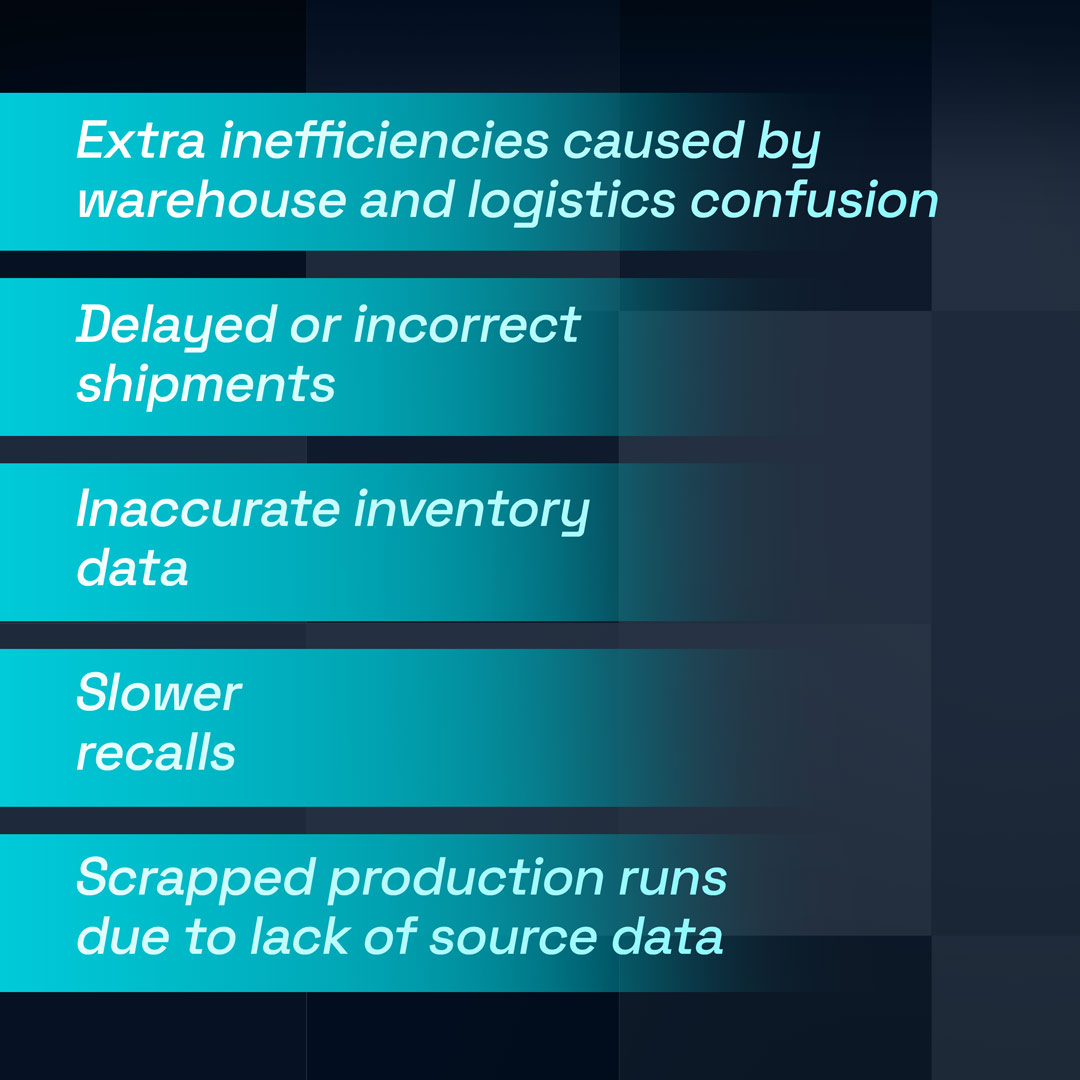
The core problem behind tag failure is the loss of traceability – something that impacts the entire way your business runs.
Maintaining traceability allows manufacturers and suppliers to answer three critical questions: what is this product, where did it come from and where did it go? While this might seem like common sense, the loss of traceability means these simple questions can’t be answered.
Armis tags are tested and validated to withstand any critical environment for years at a time. This stems from the company’s material selection. We use industrial-grade substrates like HDPE that are selected because of their high resistance to tearing, weathering and chemical exposure.
These materials are then paired with high-performance adhesives or fastening options to suit your unique needs. Each tag is created with flexibility in mind, meaning they can be transported without losing integrity. These outcomes are supported by Armis’ real-world testing protocols, which verify each tag can stand up to extreme temperatures, UV, chemical exposure and more.
Above and beyond our commonly used building material tags, Armis also offers Track & Trace tags that are engineered to provide real-time visibility. Designed to incorporate serialized barcodes, QR codes or RFID data, these tags ensure every part, product or shipment can be uniquely identified and monitored throughout its lifecycle.
How Armis Can Prevent Tag Failure
Ultimately, Armis tags ensure compliance by creating a continuous, unbreakable link between products and their critical data. This reduces risks while enabling manufacturers to meet even the most demanding regulatory requirements with confidence.

By delivering tags designed to solve common failure points in the construction industry, Armis enables businesses to reinforce the physical link between product and data across complex manufacturing environments.